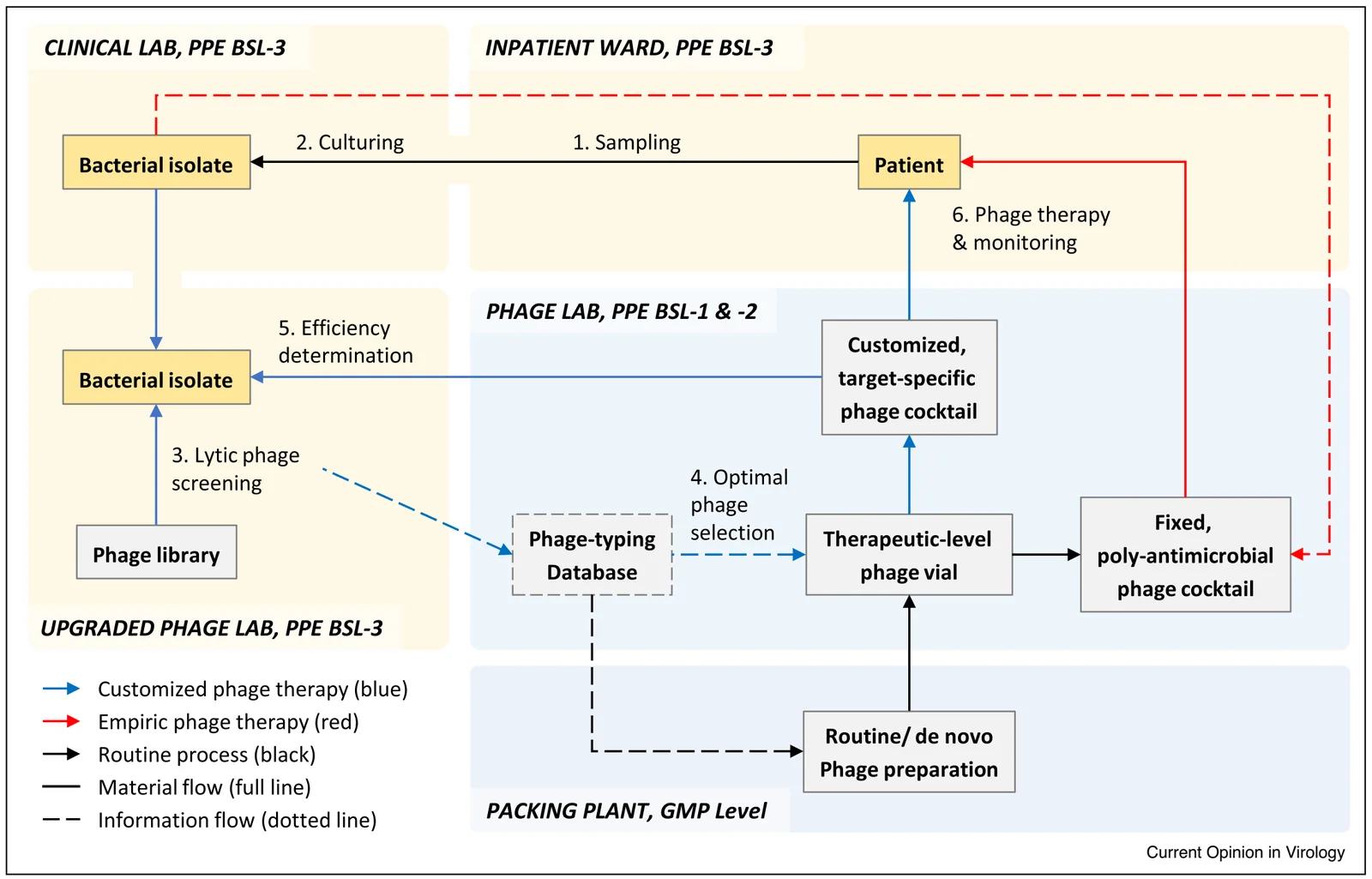
This review proposes operational procedures for the application of phage therapy in the routine monitoring and control of nosocomial infections within medical institutions. This involves using the phage library to analyze the lytic spectrum of detected bacteria and their intra-hospital transmission; treating infected individuals with personalized or broad-spectrum phage formulations, and decontaminating the environment.
Secondary infections or infections with drug-resistant bacteria pose significant risks to COVID-19 patients. Phage therapy can alleviate the dilemma of unavailable medications and intra-hospital transmission. As the first team globally to publish a clinical research paper on this topic, Nannan Wu and others were invited to publish a review in Current Opinion in Virology, proposing standard operating procedures for phage therapy involving spatial separation, unidirectional logistics, and bidirectional information flow.
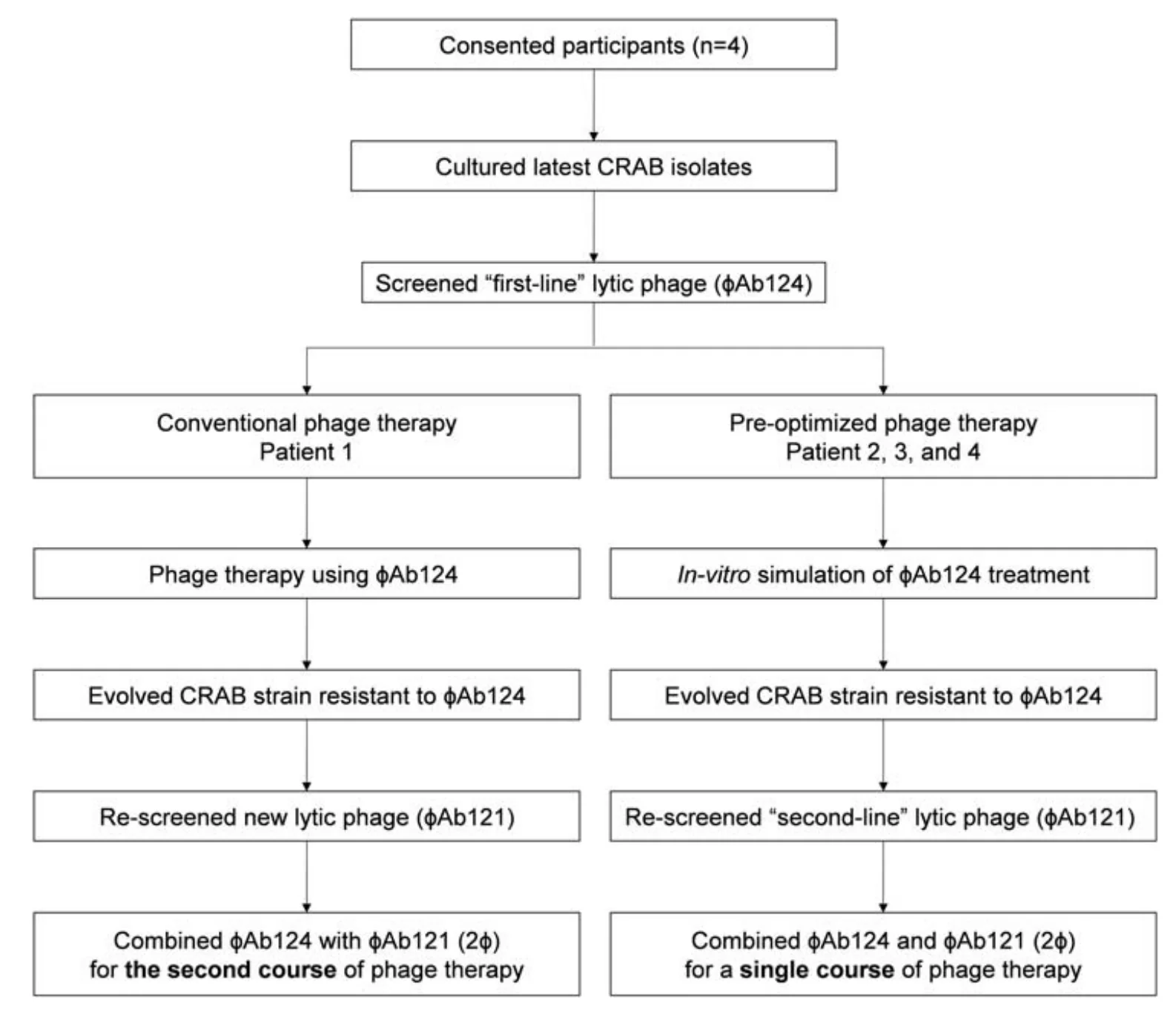
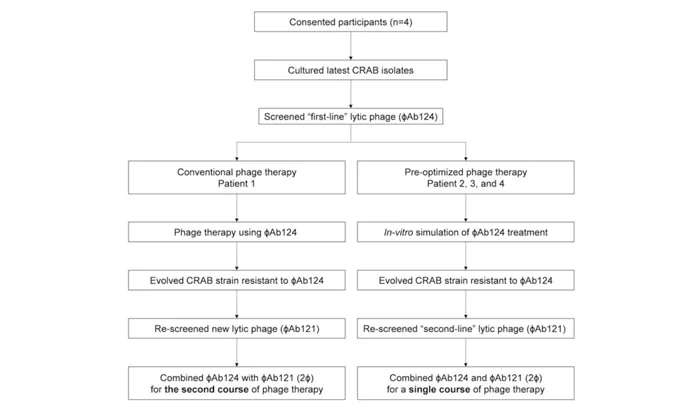
Bacterial tolerance is a critical bottleneck in phage therapy. This study found that the lytic spectrum patterns of bacteria showing tolerance to phages are highly similar, whether inside or outside the patient’s body, suggesting that inducing tolerance in vitro can be a strategy to select secondary phages for inclusion in phage cocktails in advance -- the NEPT strategy. Using this strategy, the study treated four critically ill COVID-19 patients with secondary drug-resistant bacterial infections, publishing the first global paper on this approach.
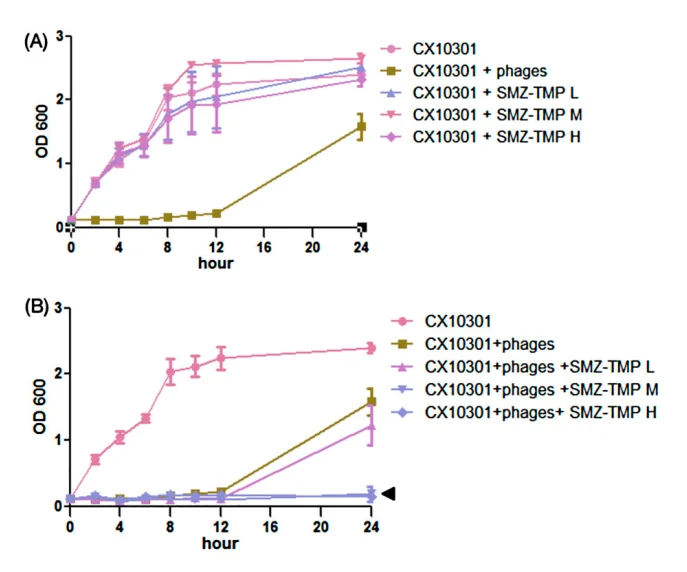
Phages often exhibit synergistic bactericidal effects with antibiotics, but in this case, the patient with a urinary tract infection had no sensitive antibiotics available. Thus, the study identified “non-sensitive” antibiotics that work synergistically with phages through in vitro combined bactericidal experiments. Despite the pathogen’s tolerance to compound sulfamethoxazole, significant synergistic effects were observed with phages, leading to successful combined treatment.
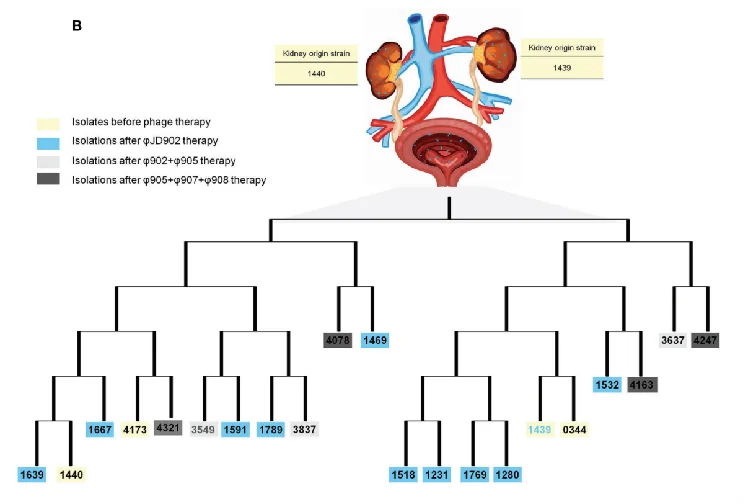
Chronic urinary tract infections are among the most difficult to treat. Due to strain heterogeneity and the lack of active mobility of phages themselves, three rounds of bladder infusion with phages could not eliminate target bacteria in the renal pelvis. Success was achieved in the fourth round through nephrostomy flushing with phages combined with antibiotics, marking the first case of phage therapy with Chinese Ethic Approval.
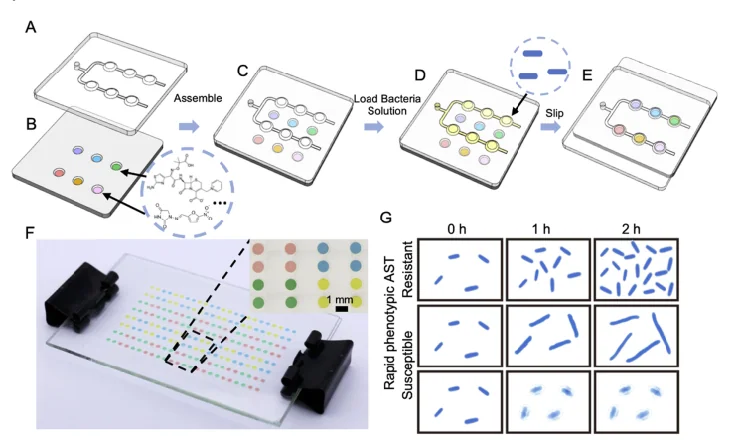
AST is crucial for the timely and precise use of antibiotics. Addressing the bottleneck of traditional methods being time-consuming and low-throughput, CreatiPhage collaborated with Shen Feng’s team from Shang Jiao Tong University to develop a sliding chip device capable of detecting 192 micro-wells at once and monitoring bacterial changes via bright field, completing AST testing within 3 hours.

 01
01