
All stories08
Showing 1–6 / 8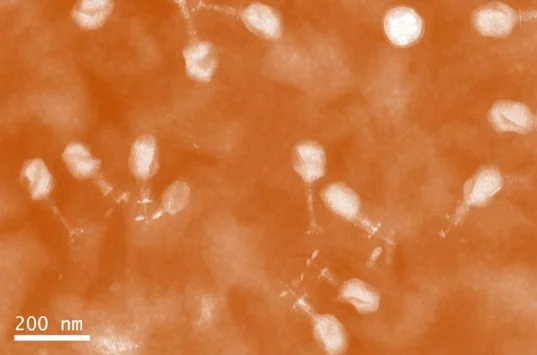
WHO: Phages and Their Use in Combating Antimicrobial Resistance (February 2025)
Read the original English publication The , is available in English. Use the original publication for the complete text and for citations. The Chinese version on this website was translated from that fact sheet. WHO describes…
Read story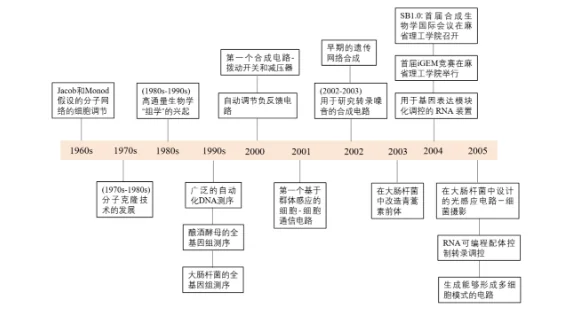
Synthetic Biology and Its Applications in Phage Research
1. The development of synthetic biology The source divides the development of synthetic biology into three periods: a foundational period in which classic experiments and the field’s culture emerged; an intermediate period of…
Read story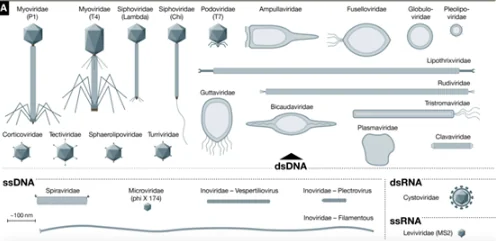
An Overview of Phage Diversity and Applications in Biotechnology
! Many tools in modern molecular biology grew out of research on phages. Studies of λ phage informed numerous techniques. T7 phage, shown in Figure A, provided the DNA polymerase from which Sequenase was developed, while the…
Read story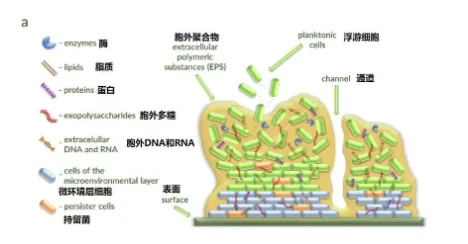
Phage Antibacterial Proteins: Depolymerases
1. Biofilms Composition and formation A biofilm is a microbial community embedded in extracellular polymeric substances (EPS). The source lists DNA and RNA at less than 1% each, structural proteins at 1–60%, lipids at 1–40%,…
Read story
Applications of Phages in Fruit and Vegetable Production
1. Phages: revisiting a biological approach to bacterial control Fresh produce can carry foodborne bacteria at every stage from harvesting and packing to preparation in the kitchen. Pathogens including Salmonella, pathogenic…
Read story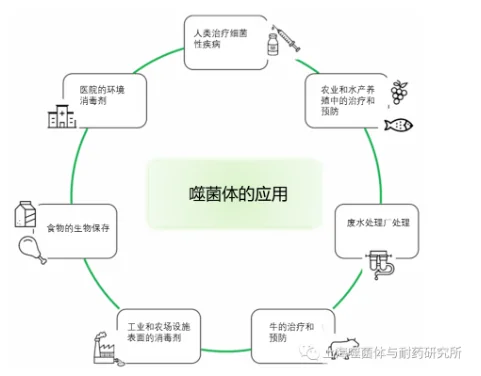
Phages in Healthcare-Associated Infection Prevention and Control
1. Potential applications of phages Phages are viruses that infect bacteria and are abundant in natural environments. Their ability to target particular bacteria led to early interest in treating bacterial infections in humans…
Read story